Research: How algae and fungi can enrich the food sector
Natural meat flavors and alternative sources of lutein as a coloring agent with antioxidant properties
Research: Natural meat flavors and colorings
How algae and fungi can enrich the food sector
In a study Adalbert-Raps-Stiftung by the Adalbert-Raps-Stiftung , researchers at Weihenstephan-Triesdorf University of Applied Sciences and the East Bavarian Technical University of Amberg-Weiden investigated the extraction of lutein from green algae. A project at the University of Hohenheim, on the other hand, focuses on obtaining meaty flavors through fermentation. These two research projects hold great potential for food production. www.raps-stiftung.de
Kulmbach, December 19, 2025
Meaty flavors for more enjoyment
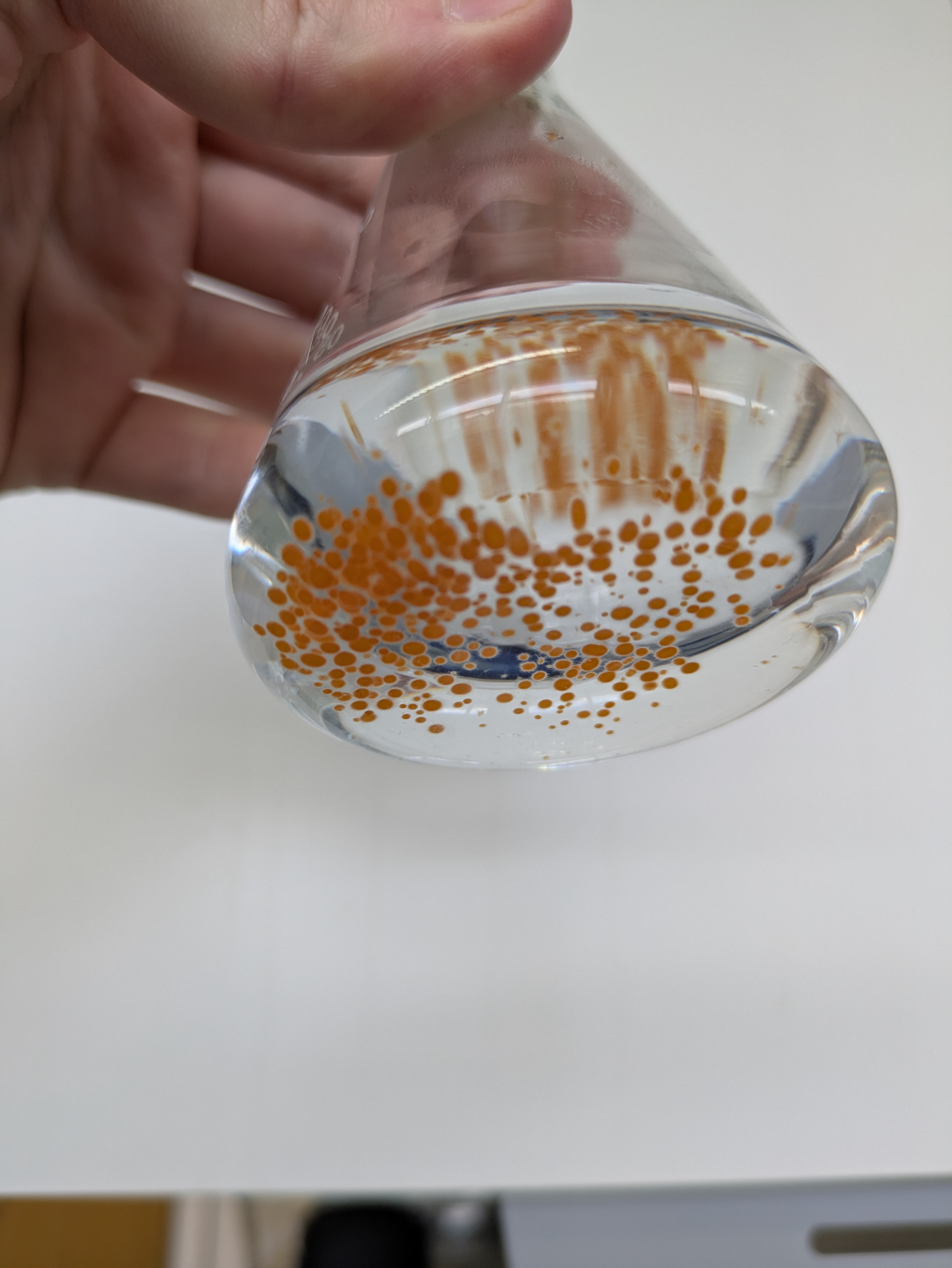
The smell of food plays a major role in enjoyment and also affects the taste experience. To give alternative meat products more flavor, a team at the University of Hohenheim researched the fermentation of spices with the aim of obtaining meaty flavors. To do this, onions, leeks, garlic, chives, and wild garlic were fermented in water for 18 to 32 hours with the mycelium of edible mushrooms. "While Polyporus umbellatus (oak mushroom) produced liver sausage-like flavors, fermentation with Laetiporus sulphureus (common sulfur polypore) resulted in rather fatty, meatball-like impressions," explains Felix Stöppelmann, former research assistant at the University of Hohenheim.
"The fact is that many people are willing to eat less meat," he says. However, there is a lack of natural and sustainable meat flavors for substitute products, "a major obstacle to acceptance." Since vegetarians and vegans buy meat-free products out of conviction, the researchers have identified flexitarians as the target group. Felix Stöppelmann sees the lack of authentic flavor as one reason for skepticism toward meat alternatives.
Enormous potential for meat substitutes
The researchers tested 15 different fungi, with Laetiporusproving to be particularly suitable. In English, this fungus is also known as "chicken of the woods" – an edible mushroom that already has important properties and could ultimately facilitate food law approval. "We applied the fermentation approach to pea burger patties and still noticed the meaty flavors even after frying; the taste was even improved," says Felix Stöppelmann. This is a promising solution that the university will work on in a follow-up project.
Lutein as a food additive
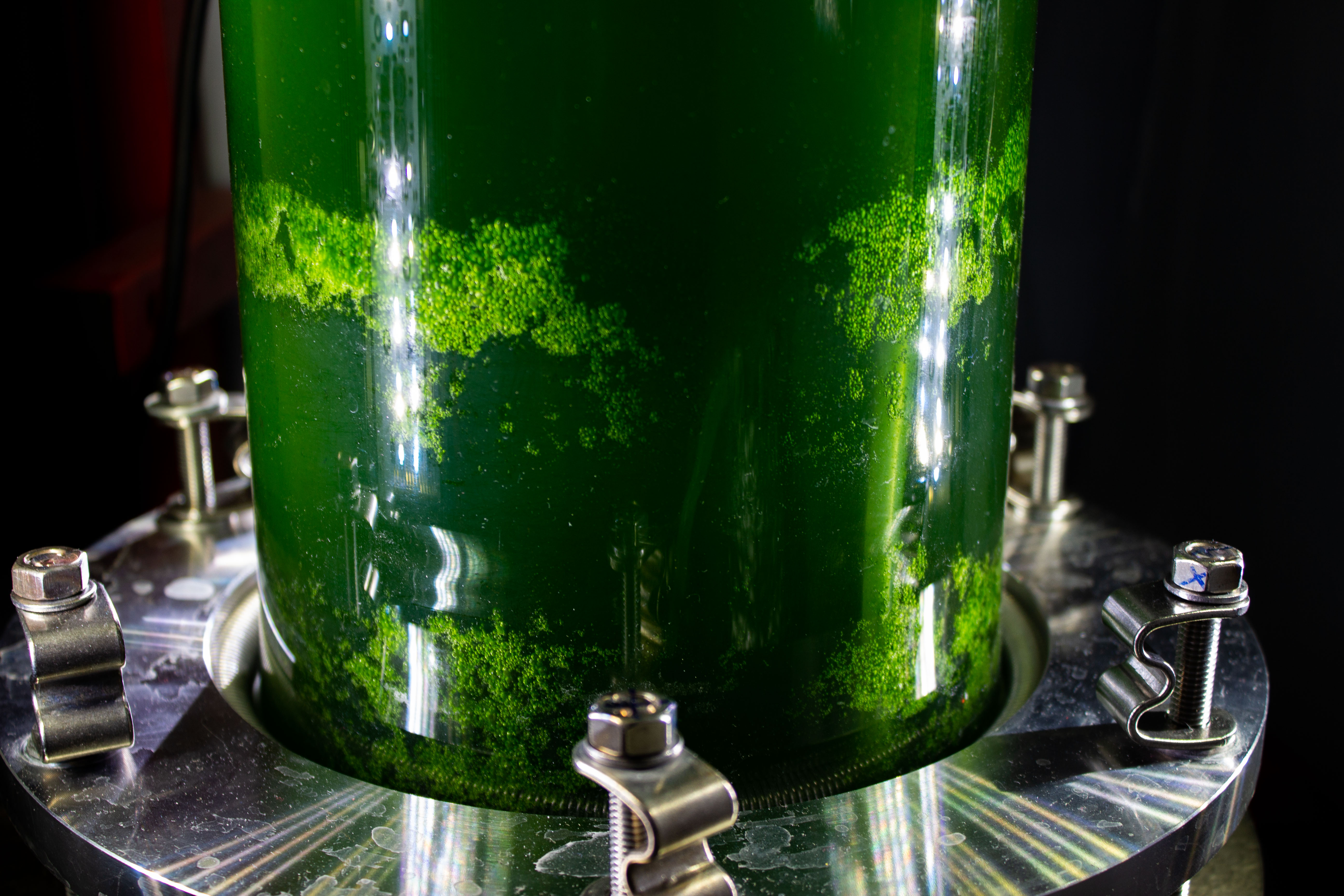
Dr. Jörg Schäffer from Weihenstephan-Triesdorf University of Applied Sciences is working in a completely different field of research. In collaboration with the team led by Prof. Dr. Christoph Lindenberger from the East Bavarian Technical University of Amberg-Weiden, a feasibility study was conducted on the extraction of lutein from the green algae Chlamydomonas asymmetrica. "Lutein is a medication, but in the food industry it is used as a colorant with antioxidant properties," explains Dr. Schäffer. Lutein is normally extracted from Tagetes erecta, also known as marigold. The disadvantage, however, is that "the Tagetes plant is highly dependent on weather conditions, which means an uneven supply of raw materials."
In principle, lutein is found in every plant, but in very small quantities. Algae, however, especially microalgae, contain high amounts of lutein. "Algae produce lutein to protect themselves from oxidative stress during intense sunlight," says Jörg Schäffer. The fact that algae can be cultivated in reactors is a great advantage, because they can be harvested continuously. "Our task in the study was to extract the lutein from the algae as pure as possible."
Alternative in times of climate change
The researchers have actually succeeded in extracting lutein in almost pure form using ethanol extraction. The antioxidant properties of the extracts have also been proven. "We have opened up the field with our study, now it's up to industry to take up the baton," says Dr. Jörg Schäffer. Extraction is not entirely straightforward, as interfering substances have to be separated out, but "it is an opportunity for alternative lutein production in times of climate change." Such algae would also grow well in artificial water basins in the desert, for example, and what remains after extraction could be used in animal feed or biogas plants. "Ultimately, it's a question of cost/benefit, but we can say that lutein extracted from microalgae is of higher quality than the tagetes product."