Brewery spent grain becomes ice cream—and ideas might become a startup
At the Food Founders Bootcamp, international master’s students develop innovative food ideas with startup potential
Can a byproduct of beer brewing be turned into vegan ice cream? Or can broccoli stalks be turned into a healthy snack? What looks like waste to many at first glance holds great potential for others. At Food Valley Kulmbach’s first Food Founders Bootcamp, this very concept served as the starting point for new food innovations.
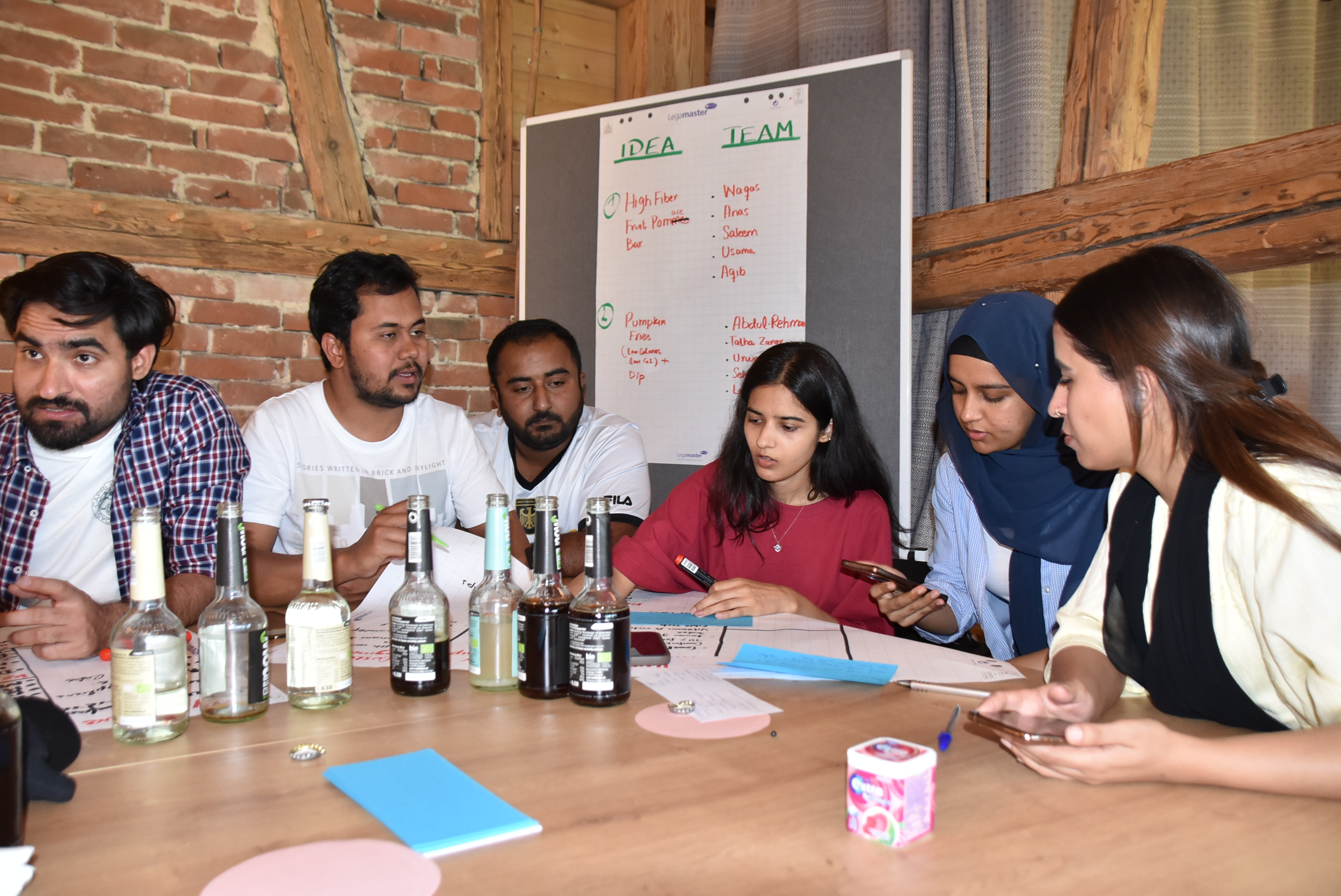
On July 2, 38 students and aspiring entrepreneurs from about twelve countries gathered at Heinersreuther Hof, a facility of Adalbert-Raps-Stiftung. Their shared goal: to develop an initial food prototype from an initial idea conceived during the boot camp. Whether it’s vegan ice cream made from spent grain, broccoli chips, or edible packaging—all projects aim to combine regionality, health, and resource conservation while creating new food products from raw materials that have been underutilized until now.
Working Together on Ideas for the Future
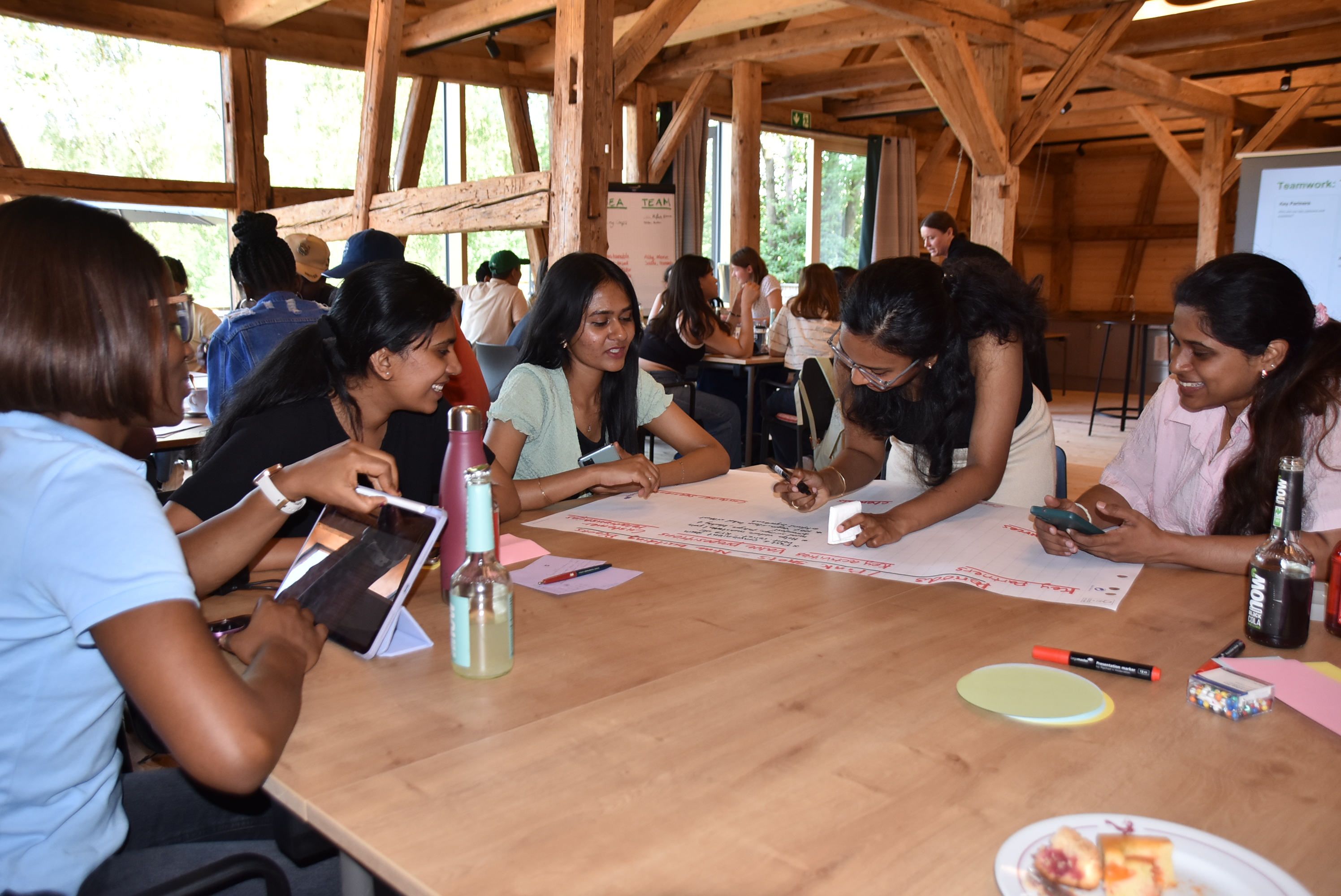
The Heinersreuther Hof provided the perfect setting for the kickoff of the boot camp. As a place for connection and exchange, it creates a space for people with diverse experiences, cultures, and perspectives who want to work together on ideas for the future. The focus was on exchanging different professional perspectives and collaborating in interdisciplinary teams. The goal was not only to foster creativity but also to explore how a good idea can be turned into a viable startup.
In workshops, the teams first explored methods for idea generation and design thinking. They then analyzed target audiences and market potential, worked with the Business Model Canvas, and refined their concepts step by step. “With the Food Founders Bootcamp, we want to give talented individuals from the region and students the opportunity not only to discuss food ideas but also to actively develop them further,” says Michael Schmidbauer, Innovation Architect at Food Valley Kulmbach. “It is precisely this combination of creativity, entrepreneurial thinking, and practical implementation that a vibrant innovation ecosystem needs.”
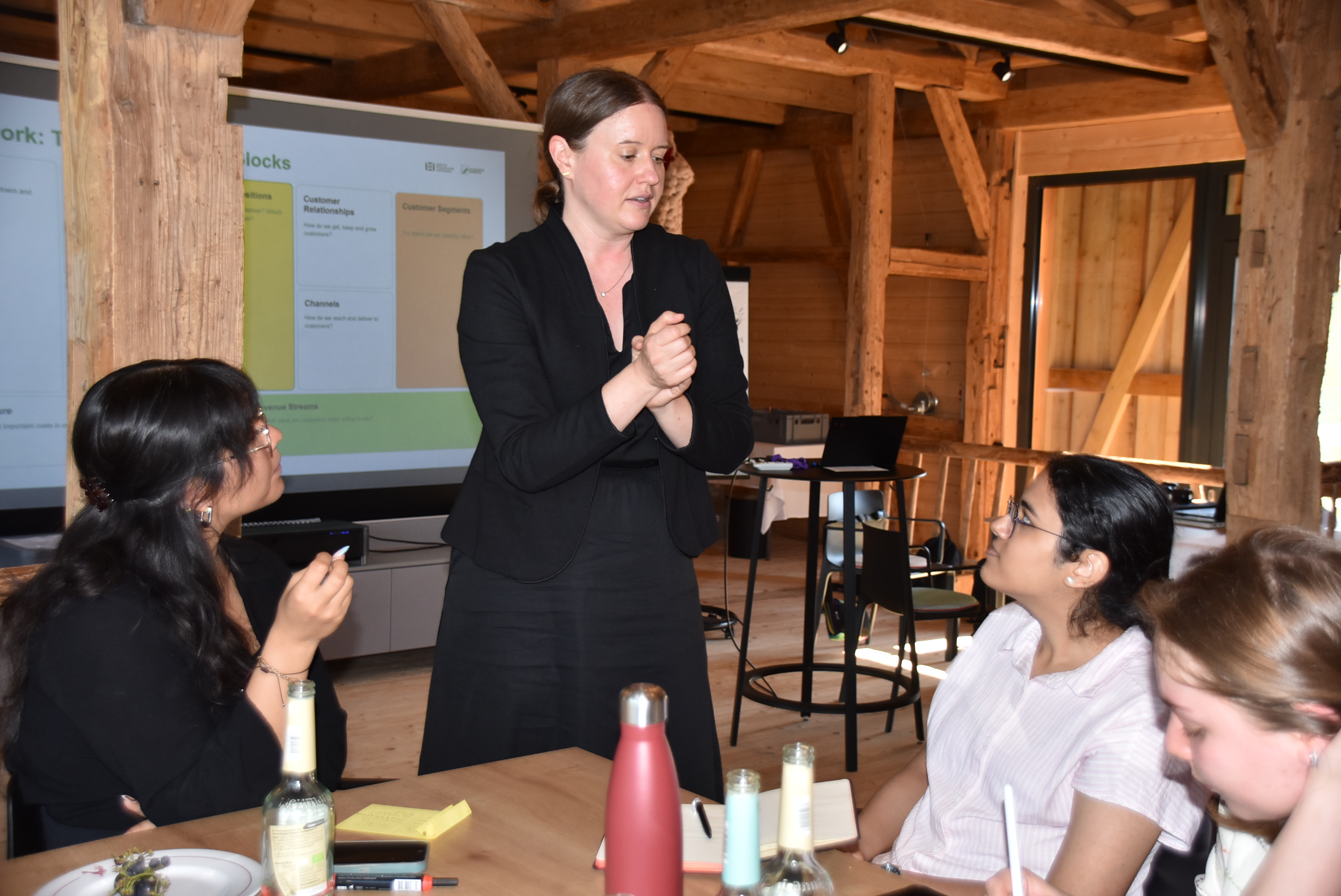
Together with Prof. Dr. Rebecca Preller, holder of the Chair of Entrepreneurial Behavior at the University of Bayreuth, Michael Schmidbauer led the seminar. The focus was not only on whether a food concept is technically feasible. The students also explored what an idea needs to be successfully developed further: a clear understanding of target audiences, viable business models, suitable partners—and, last but not least, teams in which different skills work well together. “Especially in the early stages of starting a business, the idea alone isn’t decisive. Equally important is who develops it further, what perspectives come together within the team, and how well the team succeeds in shaping a common goal from diverse skills,” says Prof. Dr. Rebecca Preller. “The boot camp offers students the opportunity to put entrepreneurial thinking to the test in a practical setting and gain initial experience with what matters on the journey from an idea to a potential startup.”
Project YOLA
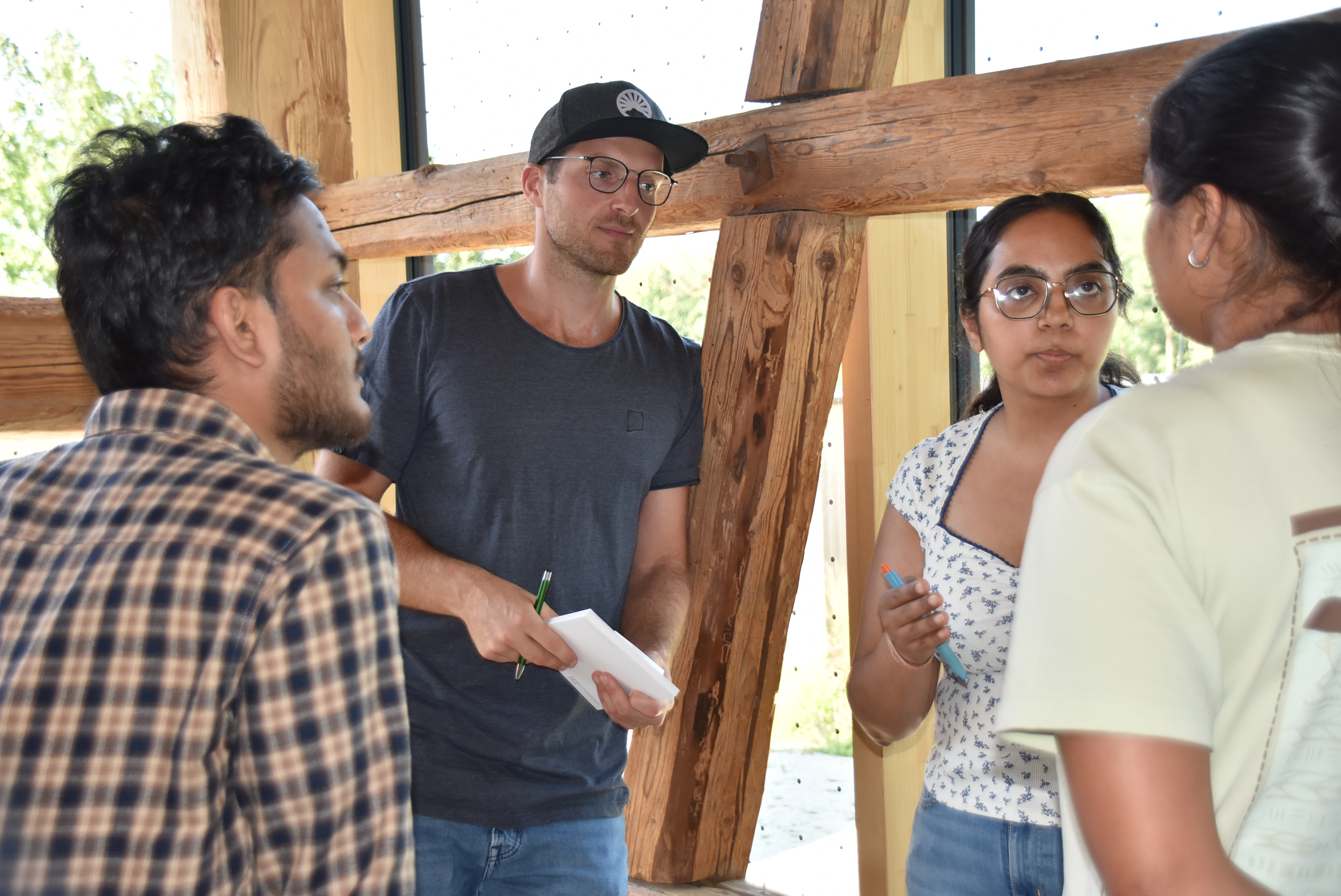
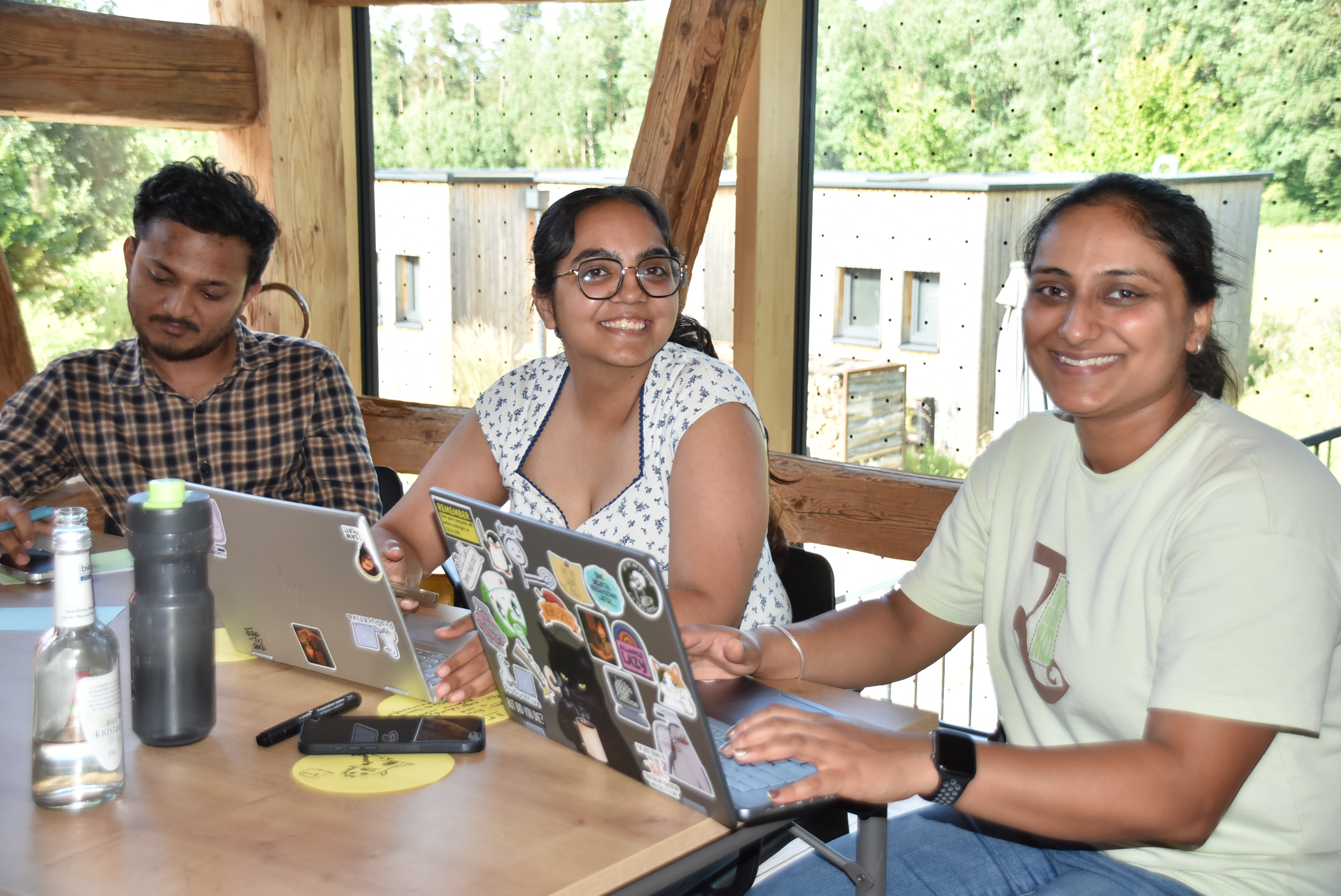
The YOLA team demonstrates just how concrete this path can be. Nikhar, Geetika, and Sajjadul are already working on a vegan ice cream made from spent grain. To further develop their idea, they went straight to the Kulmbacher Brewery and asked for spent grain. That initial request at the front desk ultimately resulted in 20 kilograms of the raw material—the foundation for further product development. Nikhar contributes his expertise in food technology, Geetika her knowledge of the biochemistry of nutrition, and Sajjadul his perspective on distribution as well as team dynamics and collaboration.
The Food Founders Bootcamp is an initiative of Food Valley Kulmbach and part of the strategy to strengthen the regional innovation ecosystem for the food industry. As a platform, Food Valley Kulmbach brings together academia, business, and society to develop solutions for a sustainable food system and to further raise the profile of Kulmbach as a hub for food innovation. The kickoff event at Heinersreuther Hof provided the perfect setting: a place where focused work, personal exchange, and collaborative brainstorming are possible. A few days later, at the MUPÄZ cooking and baking school in Kulmbach, it became clear how these ideas would be turned into edible prototypes. There, the teams took the next step—moving from concept to practical implementation.